The role of the commercial AV integrator is changing. Where installations once focused primarily on amplifiers, speakers, cabling, and signal paths, today’s systems increasingly rely on network infrastructure, connected endpoints, and software-based management.
Traditional AV expertise remains essential, but it is no longer enough on its own. As AV and IT continue to converge, integrators need a broader understanding of the technologies that connect, control, and support modern installations.
Networking Is Now Part of the Job
In a conventional audio installation, troubleshooting might involve checking an amplifier, tracing speaker wiring, or testing a signal path. With networked audio, the source of a problem may lie elsewhere.
Ethernet cabling, switch configurations, IP addressing, and network settings can all affect system performance. Understanding these fundamentals helps technicians identify issues more efficiently and communicate effectively with IT teams.
That doesn’t mean every AV technician needs to become a network engineer. However, knowing how to interpret basic network information, recognize common configuration problems, and ask the right questions can make a significant difference on site.
Successful Installations Start Before Arrival
Preparation has always mattered in AV integration, but connected systems make early coordination particularly important.
An integrator working on a corporate network cannot necessarily arrive, connect equipment, and expect everything to function immediately. Network permissions, device addressing, switch settings, and access to IT resources may need to be established beforehand.
Testing equipment before deployment, confirming network requirements, and involving the customer’s IT team early can help prevent avoidable delays.
For integrators, this shifts part of the installation process from the job site to the planning stage. The goal is not to make deployment more complicated, but to resolve potential issues before they become costly interruptions.
New Skills Create New Opportunities
Network connectivity is also changing what integrators can offer after installation.
Cloud-based monitoring and remote management provide opportunities to support systems across multiple locations without visiting every site. Understanding these tools can help integrators move beyond installation toward ongoing service and support.
Cybersecurity awareness is becoming increasingly relevant as more AV devices connect to business networks. Familiarity with APIs, software integration, and emerging AI tools may also help teams develop new control and management capabilities.
These opportunities require technical curiosity, but they also depend on communication, organization, and the ability to collaborate across disciplines.
Keep Learning as the Industry Evolves
The integrator of the future isn’t necessarily a specialist in every technology. More importantly, it’s someone who understands how AV and IT fit together, recognizes the limits of their knowledge, and knows when to involve the right expertise.
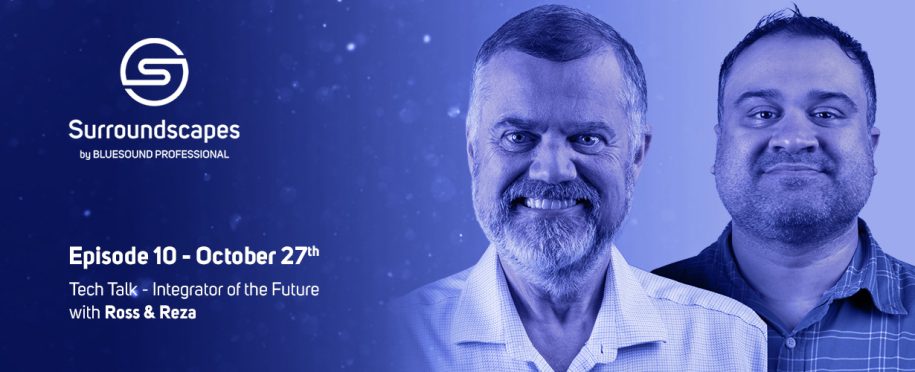
In Episode 10 of Surroundscapes Season 8, Ross Eberlin and Reza Mohammed explore this evolving skill set, drawing on their experience supporting networked audio installations.
Their message is practical: successful integration increasingly depends on combining established AV knowledge with networking fundamentals, thoughtful preparation, and a willingness to keep learning.
Visit SURROUNDSCAPES.BLUESOUNDPROFESSIONAL.COM to listen to the episode and follow Season 8 of Surroundscapes.